Systems That Actually Heat and Cool Reliably
HVAC Inspection in Grand Valley for aging equipment and homes with comfort problems
A fifteen-year-old furnace that cycles on and off constantly or an air conditioner leaking refrigerant tells you the equipment is failing, but not whether you need repairs or full replacement. The evaluation reviews accessible HVAC components and equipment operation, checking for visible wear, improper installation, and signs that systems won't make it through another heating or cooling season. Miracle Rock Property Inspections, LLC documents what you're working with, so you can plan for repairs or budget for replacement before equipment fails completely during temperature extremes.
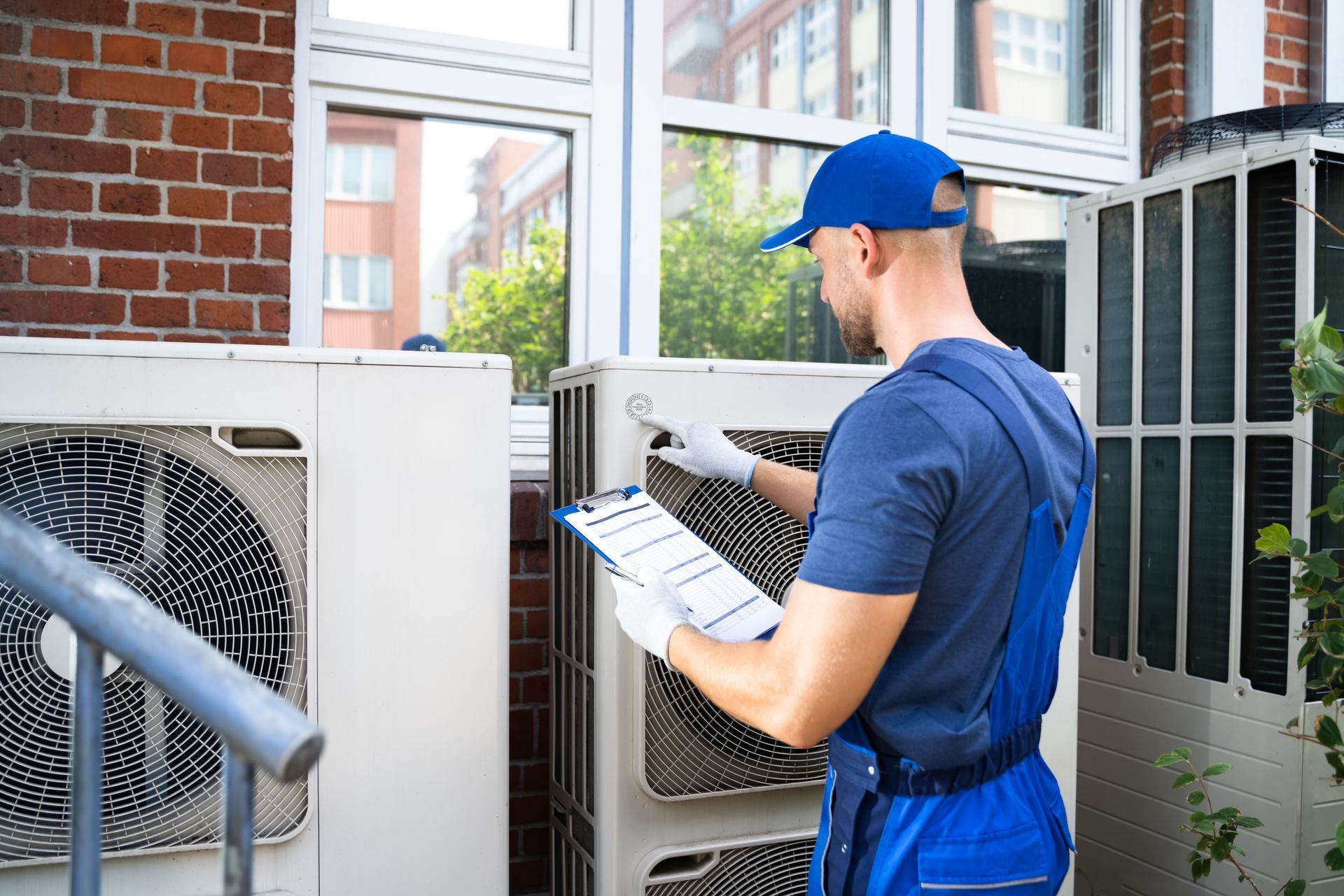
Inspectors examine furnaces, air conditioning units, heat pumps, and accessible ductwork for damage, corrosion, and installation defects. They check whether systems respond correctly to thermostat commands, listen for unusual sounds indicating mechanical problems, and look for signs that equipment is near the end of its service life. In Grand Valley's climate with cold winters and warm summers, HVAC systems cycle heavily year-round, accelerating wear on components that receive deferred maintenance.
Schedule an HVAC evaluation to document current equipment condition and identify maintenance issues before system failure.
What Proper HVAC Evaluation Requires
The inspection includes operating the system where appropriate, observing startup behavior, checking airflow, and examining heat exchangers for cracks in furnaces or refrigerant leaks in cooling equipment. Inspectors measure temperature differentials to confirm systems are producing adequate heating or cooling, inspect filters and accessible ductwork, and document whether installations meet manufacturer specifications. Poor airflow, short cycling, and uneven temperatures between rooms all indicate problems the inspection identifies and explains.
Homeowners and buyers receive information about system condition that supports decisions about repairs, replacements, or maintenance priorities. Documentation showing a cracked heat exchanger or refrigerant leak helps you understand why replacement makes more sense than continued repairs on aging equipment. The report also reveals whether previous owners performed regular maintenance or ran systems until they failed.
The inspection evaluates equipment operation and visible component condition but doesn't include invasive testing, refrigerant pressure measurements, or combustion analysis that require specialized HVAC licensing. Inspectors document what's observable during the visit, not long-term reliability predictions.
Questions Before Starting Your Project
HVAC systems represent major expenses, and understanding equipment condition helps you avoid surprise failures and plan replacement timing.
What indicates an HVAC system is near the end of its life?
Visible rust on heat exchangers, refrigerant stains around cooling coils, loud or unusual mechanical sounds, and equipment age beyond fifteen years all suggest the system is approaching failure. Short cycling, where the system turns on and off rapidly, indicates control problems or capacity issues that worsen quickly.
How does the inspection check furnace safety?
The inspector examines the heat exchanger for visible cracks or corrosion that could allow combustion gases to enter living spaces. They check flue pipes for proper connections, verify adequate combustion air supply, and test the thermocouple or flame sensor that shuts off gas flow if the flame extinguishes.
What can't an HVAC inspection determine about system condition?
The inspection documents visible conditions and operational behavior but can't predict exactly how many more years the equipment will function. It also doesn't include refrigerant pressure testing, duct leakage measurements, or efficiency calculations that require specialized equipment.
Why do HVAC problems show up differently in Grand Valley properties?
The area's temperature swings between summer and winter stress both heating and cooling components year-round. Furnaces work hard during extended cold periods, and cooling systems run heavily during summer months, meaning equipment experiences more wear cycles than in milder climates.
When should you consider an HVAC inspection beyond home purchase?
Request this inspection if your system runs constantly without reaching temperature, if energy bills increase significantly without usage changes, or if you notice unusual sounds, odors, or uneven temperatures between rooms.
Knowing whether your HVAC equipment needs immediate attention or will function through another season helps you plan expenses and avoid emergency replacements. Miracle Rock Property Inspections, LLC provides findings that clarify system condition and support informed decisions about repairs versus replacement.