Measuring Indoor Air Quality Concerns You Can't See
Radon Testing in Grand Valley for homeowners and buyers evaluating elevated radon levels in residential properties
Radon gas accumulates in homes through soil contact points in foundations, entering through cracks, sump pits, and utility penetrations where pressure differentials draw soil gases into living spaces. Miracle Rock Property Inspections, LLC performs radon testing throughout Grand Valley using appropriate measurement equipment that monitors radon concentrations over a minimum testing period to produce accurate results. You receive clear documentation of measured radon levels that allows you to compare findings against EPA action guidelines and make informed decisions about mitigation if concentrations exceed recommended thresholds.
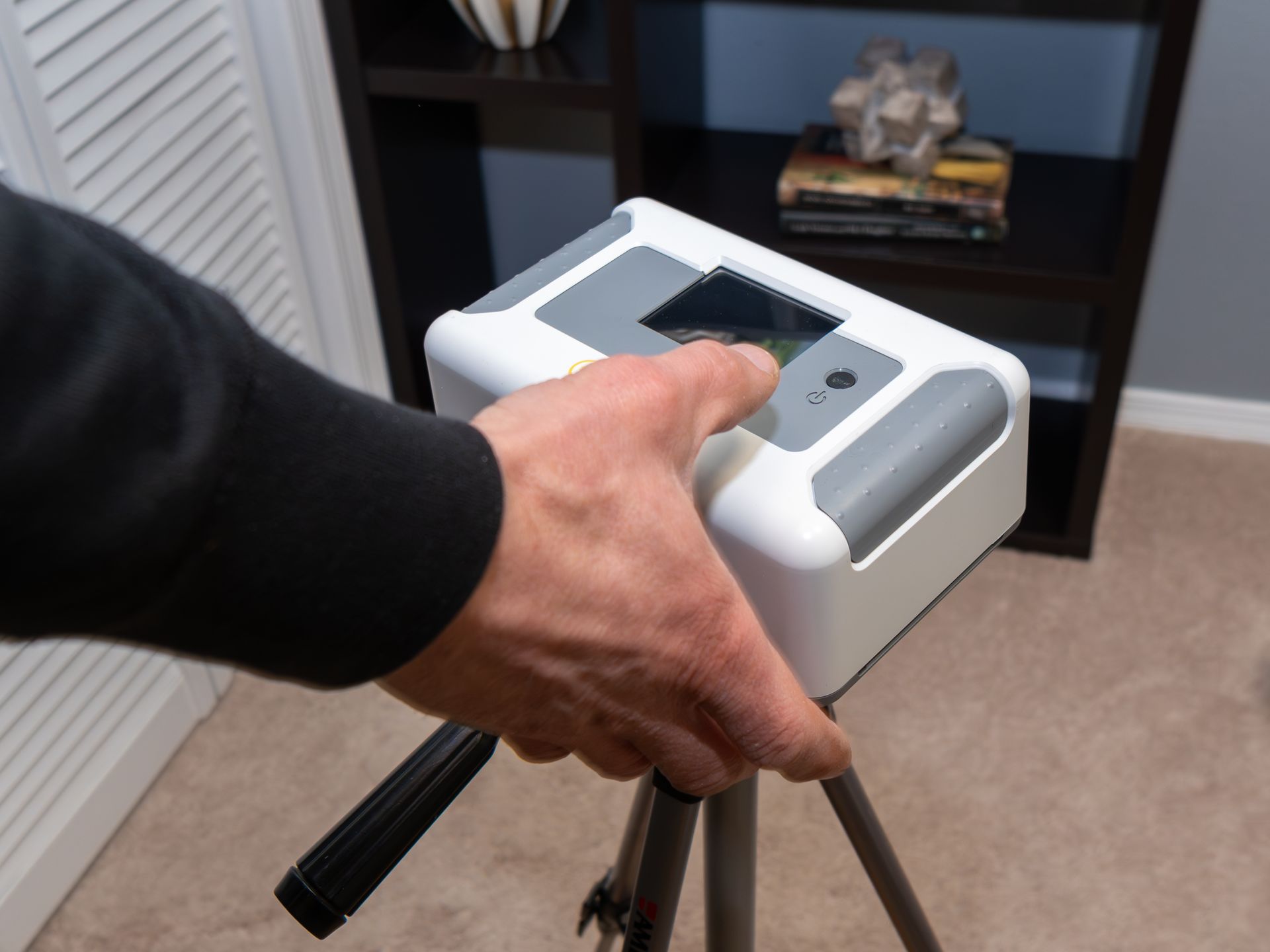
The testing process involves placing measurement devices in the lowest occupied level of the home under closed-house conditions to capture worst-case radon accumulation scenarios. Your test runs for the required duration, and the equipment records radon concentration data that is then analyzed to produce an average reading expressed in picocuries per liter.
Schedule radon testing to measure indoor air quality conditions before purchasing a property or to establish baseline levels in your current home.
What Test Results Tell You About Mitigation Needs
Professional radon testing produces numerical results that indicate the average radon concentration in the tested area, typically measured over a period that ensures the reading reflects actual occupancy conditions rather than temporary fluctuations caused by weather or ventilation changes. Testing performed using continuous monitoring devices provides data on concentration variations throughout the test period, helping identify whether levels remain consistently elevated or fluctuate based on environmental factors.
After testing completes, you receive documentation that compares measured radon levels to EPA guidelines, which recommend mitigation when concentrations exceed four picocuries per liter. If your results fall below this threshold, no immediate action is necessary, though retesting every few years helps confirm that levels remain stable. If results exceed the action level, you can consult with radon mitigation specialists who install sub-slab depressurization systems or other reduction methods to lower indoor concentrations.
Test results provide specific measurements rather than subjective assessments, giving you objective data to evaluate mitigation costs against potential long-term exposure concerns. The testing does not predict future radon levels or guarantee that readings will remain constant, but it does establish current conditions based on standardized measurement protocols.
Radon Testing Questions From Property Owners
Homeowners and buyers in Grand Valley often want to understand what the testing process involves and how to interpret results.
What equipment is used to measure radon levels in residential properties?
Professional testing uses continuous radon monitors that record hourly concentration data throughout the testing period, providing both average readings and information about fluctuations that help identify whether ventilation changes or weather conditions affect radon accumulation.
How long does radon testing take to produce valid results?
Most residential tests run for a minimum of 48 hours under closed-house conditions, though longer testing periods provide more representative data by capturing variations across multiple days and weather patterns.
Why do radon levels vary between properties in the same area of Grand Valley?
Radon concentrations depend on soil composition beneath the home, foundation construction details, the number and size of soil gas entry points, and ventilation patterns—neighboring homes can show significantly different radon levels even when built on similar lots.
When should you test for radon during the home buying process?
Testing should occur during the inspection period after your offer is accepted, giving you time to negotiate mitigation credits or system installation if results exceed recommended levels before finalizing the purchase.
What do you do if radon test results exceed the EPA action guideline?
Results above four picocuries per liter indicate that mitigation is recommended—you can hire a radon mitigation contractor to install a system that typically reduces levels by 50 to 90 percent, and post-mitigation testing confirms that the system achieves acceptable reduction.
Miracle Rock Property Inspections, LLC provides professional radon testing with clear result documentation for Grand Valley properties. Arrange testing to measure current radon concentrations and determine whether mitigation is recommended based on EPA guidelines.